What to Do During a DWI Stop in Texas: A Calm Step-by-Step Guide to Your Rights
During a Texas DWI stop, you must show your license and insurance, step out of the car if directed, and follow basic safety commands, but you have the right to remain silent, to refuse roadside field sobriety tests and portable breath tests, and to withhold consent to a vehicle search. If you are arrested, a chemical breath or blood test request triggers Texas implied consent rules, and refusing can lead to a license suspension handled through the Administrative License Revocation process. You usually have 15 days from notice to request a hearing, so act quickly to protect your driving privileges.
Mike, if you are pulled over in Houston or anywhere in Harris County, this guide explains what are your rights during a Texas DWI stop? in plain language. The steps below aim to protect your license, your job, and your future while staying respectful and safe at the scene.
Immediate Do and Don’t Actions at a DWI Stop
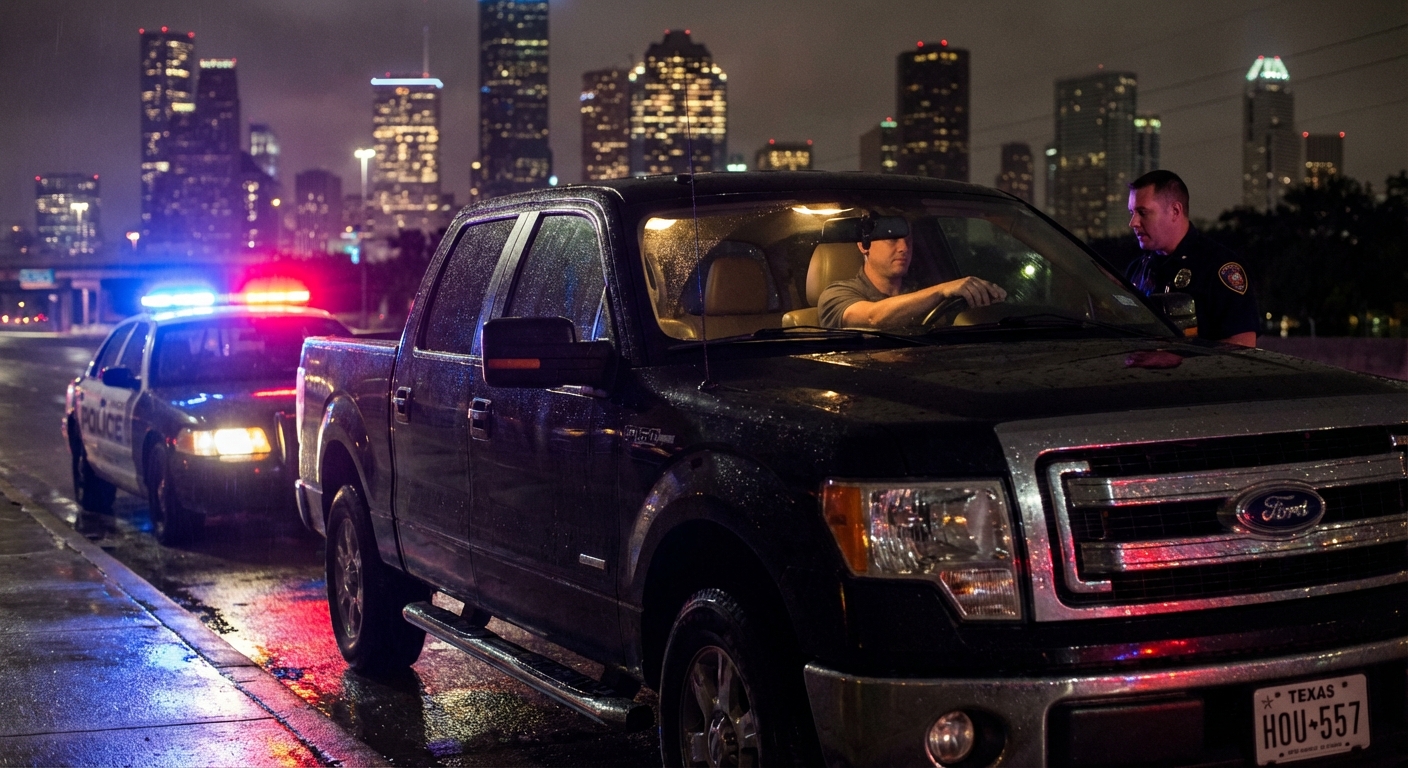
When those red and blue lights appear in your rearview mirror, keep it simple. Small choices at the roadside often shape what evidence officers collect and how your case is built later.
- Signal, pull over safely, and put the car in park. Turn on your interior light at night.
- Place both hands on the wheel where the officer can see them. Keep movements slow.
- Before the officer approaches, roll the window down and have your license and proof of insurance ready if you can do so calmly.
- Be polite. Give your name and basic documents. You do not have to answer questions about drinking, coming from a bar, or where you are headed.
- Use a simple script: “I choose to remain silent. I do not consent to any searches. Am I free to leave?”
- If ordered to step out, do so. If asked to perform roadside tests or blow into a handheld device, understand that these are voluntary for most adults in Texas.
- Never argue, joke, or try to talk your way out. Anything you say can be used as evidence.
- Do not consent to a vehicle search. If an officer says they will call a K‑9 or seek a warrant, remain calm and continue to withhold consent.
For a quick refresher you can bookmark, here is step‑by‑step guidance for what to do when pulled over.
Understanding What are your rights during a Texas DWI stop?
You have important rights at the roadside, even when you are nervous. Knowing them helps you protect your license and future court options.
- Right to remain silent: You must provide identification and basic documents, but you do not have to answer questions about whether you drank, how much, or what medications you take.
- Right to refuse field sobriety tests: The walk‑and‑turn, one‑leg stand, and eye test are optional for most adults. Refusing these does not carry a separate ticket in Texas.
- Right to refuse roadside breath testing: The small handheld device at the scene is typically voluntary for adults and is different from the larger machine at a station.
- Right to withhold consent to a search: You can decline a search of your car. If officers have independent legal grounds, they can proceed without your consent, but you do not need to assist.
- Obligation to comply with lawful orders: If told to step out or to place your hands where the officer can see them, you must comply for safety.
If you work long hours and depend on your license, these rights matter. Using them calmly can reduce the amount of questionable evidence and keep your job risks lower.
Field Sobriety and Roadside Breath Tests
Officers often ask drivers to perform coordination exercises and may offer a handheld breath device at the scene. These are meant to create probable cause for an arrest, but you have choices.
What happens if you refuse a field sobriety test?
Refusing roadside field sobriety tests is allowed for most Texas adults. Your refusal may be noted in the report, and the officer may still arrest if they believe probable cause exists, but you avoid creating video of potential stumbles or missteps that can be misread later. If you feel unsteady due to boots, a knee injury, or a gravel shoulder, a polite refusal can prevent misleading clips from becoming key evidence.
Should you take a breathalyzer test in Texas?
At the roadside, the small handheld breath test is usually voluntary. After arrest, a chemical breath or blood test request is different. Texas implied consent law ties your driver’s license to cooperation after a lawful arrest for DWI. Refusing the post‑arrest test can trigger a longer license suspension than failing, but it may limit certain pieces of evidence. The right choice depends on the facts, your record, and how your body reacts to alcohol. For a deeper look at choices and outcomes, see this explainer on what refusing breath or blood tests really means.
Accuracy and limits of roadside testing
Field sobriety tests depend on the surface, lighting, footwear, nerves, and even the instructions given. The devices used before arrest can have calibration and user‑error issues. If you want more context on how officers score these tests and where inaccuracies occur, this breakdown covers how field sobriety and breath tests can be inaccurate.
Analytical Planner (Ryan): if you are tracking risk, remember this data point. A refusal of roadside tests does not suspend your license by itself. The implied consent consequences attach to post‑arrest chemical testing, not the voluntary roadside exercises.
Chemical Breath and Blood Tests After Arrest
Once you are arrested on suspicion of DWI, the officer will usually ask for a breath or blood sample. This request falls under Texas implied consent rules. Refusal typically triggers an administrative driver’s license suspension. Failing the test can also trigger a suspension, but the lengths can differ.
- Refusal: Commonly leads to a proposed suspension of about 180 days for a first incident, longer with a prior alcohol‑related contact on your record.
- Failure: A result at or above the legal limit for adults 21 and older can lead to a shorter suspension period, often around 90 days for a first incident.
These are general ranges. Actual outcomes depend on your driving history and the paperwork you receive at or after arrest. Harris County agencies sometimes run “no refusal” operations, which usually means they seek warrants quickly rather than that testing is mandatory. If a judge signs a warrant, officers may obtain a sample without your consent.
If you want to read the statute that governs implied consent and what happens after a DWI arrest, see the Texas implied‑consent statute on breath and blood tests.
License Consequences and the 15‑Day ALR Deadline
If you refused or failed testing, you likely received a Notice of Suspension that operates as a temporary driving permit for a short period, often up to 40 days unless you request a hearing. Texas gives most drivers 15 days from the date they are served notice to request an Administrative License Revocation hearing. Missing this deadline usually means the suspension starts on the 40th day and stays on your driving record.
Here is how to protect your license quickly:
- Mark your calendar the same day: Count 15 days forward from the date on your suspension notice.
- File the hearing request: You can submit it through the state site. Start at How to request an ALR hearing (DPS portal).
- Use resources that explain the process: This page walks through how to request an ALR hearing and meet the 15‑day deadline.
- Keep copies: Save your confirmation and any emails. Bring the Notice of Suspension and your temporary permit to court and to your hearing.
- Plan for work: Ask about an occupational license if a suspension begins. Many workers in Houston rely on driving to support their families.
Career‑Conscious Professional (Sophia/Jason): confidentiality matters. An ALR hearing is separate from the criminal case, and building a careful record early can help protect your reputation and employment later.
How to Handle a DWI Checkpoint in Texas
Texas does not authorize general sobriety checkpoints statewide. You may see high‑visibility enforcement weekends and extra patrols, but routine DWI roadblocks are not the norm here. If you encounter any roadblock in or around Houston, it is usually for another lawful purpose, such as license or insurance checks, or tied to a specific investigation.
If you do pass through an out‑of‑state checkpoint or a roadblock that looks like a sobriety screen, use the same steps you would in a Texas stop. Keep your hands visible, provide identification, and be polite. You can ask if you are free to leave. If directed to a secondary area, follow instructions but continue to use your rights to remain silent and to decline voluntary tests.
Young Risk‑Taker (Tyler): quick rules to avoid disaster. Do not speed away, do not joke about drinking, and do not record with your phone in a way that interferes with the officer. Stay calm and short with your answers.
Scripts You Can Use at the Roadside
Short phrases help you stay respectful without giving up rights.
- “Officer, here is my license and insurance.”
- “I choose to remain silent and would like to speak with a lawyer.”
- “I do not consent to any searches.”
- “Am I free to leave?”
- If asked to do field tests: “I respectfully decline any voluntary roadside tests.”
- If asked for a post‑arrest sample: “Am I under arrest? If so, I want to understand the consequences of refusing or taking the test.”
Veteran Planner (Chris/Marcus): your focus is on preserving defenses. These short statements keep the record clean and reduce the risk of giving extra evidence while remaining polite.
What Officers Look For and How Your Behavior Affects the Case
In Houston and surrounding counties, officers document everything they see from the moment the lights go on. They watch how you pull over, how long it takes to stop, and whether your vehicle drifts or brakes sharply. They note your hands, your speech, eye contact, and any odors. Body camera video captures your movements and words.
- Driving behavior: Lane position, speed, and signal use.
- Contact clues: Odor of alcohol, red or glassy eyes, slurred speech, fumbling with documents.
- Divided‑attention tasks: Following instructions while standing or walking.
- Statements: Admissions like “I had two beers” often appear in reports, even if the number is small.
- Video: Patrol car and body camera footage can make or break a case.
Micro‑story: A Houston construction manager stopped on I‑10 late on Friday admitted to “a couple” and tried to explain he was tired from a 12‑hour shift. The video showed him swaying on gravel during the walk‑and‑turn. At the ALR hearing, it turned out the instructions were given while traffic roared by and the line was sloped. The early roadside choices mattered, and the details about the surface and noise later helped question the test quality.
Common Misconceptions to Avoid
- “If I refuse everything, they must let me go.” Not true. An officer can still arrest if they have probable cause based on driving clues, odor, and other observations.
- “No refusal weekend means I have no rights.” Incorrect. It usually means officers will try to obtain warrants faster. Your rights remain the same.
- “Field tests are required.” They are voluntary for most adults. You can decline politely.
- “Asking for a lawyer makes me look guilty.” It is your right, and asking for counsel often stops questioning that could hurt you later.
Penalties, Records, and Real‑World Timelines
First‑time DWI allegations in Texas are usually misdemeanors, but the consequences still hit hard. For many workers, the administrative suspension and court dates threaten paychecks and schedules more than anything else.
- License: A first proposed ALR suspension is commonly 90 days for a failure and about 180 days for a refusal. With prior incidents it can be longer.
- Timeframe: The ALR hearing is typically scheduled weeks or months after the request. The criminal case in Harris County can take several months or more to resolve.
- Record: A DWI arrest shows up on background checks. Certain outcomes may qualify for record sealing later, subject to conditions and waiting periods.
If your family depends on your ability to drive, track these dates. Keep a simple calendar with your 15‑day ALR deadline, your first court setting, and work obligations.
Step‑by‑Step: From Stop to Next Morning
- Stop safely and position the car well off the lane. Hands on the wheel, interior light on if dark.
- Documents ready. Short answers only. Use the script if needed.
- Decide on roadside tests. You may decline field sobriety and handheld breath tests.
- Arrest decision. If arrested, expect a breath or blood request under implied consent. Ask clear questions about consequences.
- Release process. After processing, collect your paperwork, including any Notice of Suspension and court date.
- Next morning. Photograph the stop location if safe to do so, write a timeline while memories are fresh, save your body‑cam request information, and mark the ALR 15‑day deadline.
How Your Choices Affect Later Legal Strategy
- If you spoke a lot: Statements can limit defenses. Stay quiet next time and focus on respectful compliance.
- If you took field tests: Video will be reviewed for instruction errors, uneven surfaces, footwear, lighting, and traffic distractions.
- If you refused the post‑arrest test: You may face a longer license suspension, but the absence of a number can change how the case is evaluated.
- If you submitted: The number will be tested for machine maintenance, operator certification, and rising BAC issues.
Analytical Planner (Ryan): gather evidence early. Save your receipts, medical information, and work schedule. Preserve dash‑cam or rideshare logs if they exist. Track every date, including when you received any notice.
Houston‑Area Practicalities
In Harris County courts, early settings often focus on paperwork, video discovery, and whether you are eligible for certain programs or conditions. Many drivers ask about an occupational license to keep working during a suspension. In neighboring counties, procedures are similar but scheduling can vary.
If driving is essential for your construction shifts or tool deliveries, plan ahead. Arrange safe transportation if a suspension begins, and talk with a qualified Texas DWI lawyer about whether an occupational license makes sense for your route and hours.
Frequently Asked Questions: Key Questions Houston Drivers Ask About What are your rights during a Texas DWI stop?
Do I have to do field sobriety tests in Texas?
No. Field sobriety tests are voluntary for most adults. You can decline politely and still comply with lawful commands, like stepping out of the car. Your refusal can be noted, but it is not a separate ticket by itself.
What happens to my Texas license if I refuse the post‑arrest test?
A refusal generally triggers a proposed Administrative License Revocation suspension that can be about 180 days for a first incident, longer with prior alcohol‑related contacts. You typically have 15 days from notice to request a hearing, which can delay or contest that suspension.
Is the roadside breath test the same as the test at the station?
No. The small handheld device used at the scene is usually a preliminary screening and is voluntary for most adults. The station test after arrest is part of implied consent and carries license consequences for refusal or failure.
Are DWI checkpoints legal in Houston?
Texas does not authorize general sobriety checkpoints statewide. You may see extra patrols or special enforcement weekends, but routine DWI roadblocks are not typical in Houston.
How fast do I need to act after a Houston DWI arrest?
Immediately. Mark the 15‑day ALR deadline, store your paperwork, and record your memories of the stop. Early action helps protect your license and gives your defense team more time to gather evidence.
Why Acting Early Matters
The first days after a DWI stop set the tone. Securing video, marking deadlines, and understanding your rights can change outcomes months later. A clear plan protects your job, your license, and your family’s routine.
You do not have to navigate this alone. A qualified Texas DWI lawyer can explain how the ALR process, implied consent law, and local Houston court practices apply to your facts, without judgment about how the stop unfolded.
Quick video walk‑through: If you prefer to see the steps in action, this short clip gives a calm, practical overview tailored to Texas drivers like you who depend on their license to work.
Butler Law Firm - The Houston DWI Lawyer
11500 Northwest Fwy #400, Houston, TX 77092
https://www.thehoustondwilawyer.com/
+1 713-236-8744
RGFH+6F Central Northwest, Houston, TX
View on Google Maps
No comments:
Post a Comment